


 Back
to listing
Back
to listing
Understanding the Importance of NAAC Accreditation in Enhancing Higher Education Quality in India
Importance of NAAC in Higher Education

Higher education is the backbone of a nation’s development and progress. It equips individuals with the necessary skills and knowledge to contribute meaningfully to society. As such, maintaining high standards and ensuring quality in this sector is of utmost importance. This is where the National Assessment and Accreditation Council (NAAC) plays a vital role. But What is NAAC Accreditation, and why is it so crucial in the realm of education? Let us explore the significance of NAAC in higher education in detail.
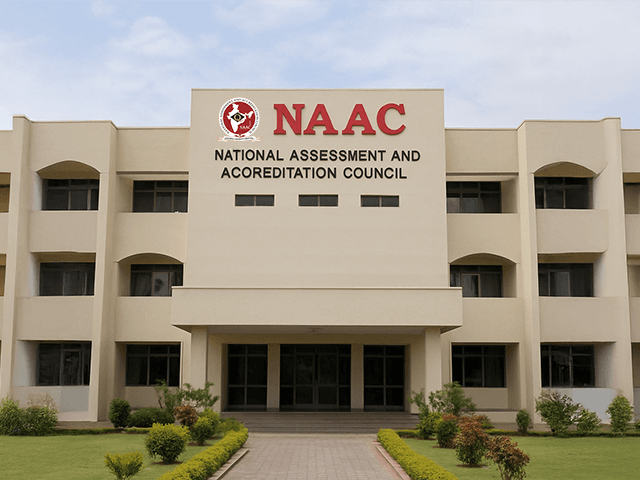
NAAC, or the National Assessment and Accreditation Council, is a pivotal organization in the landscape of Indian higher education. Formed in 1994, it was established with the primary aim of assessing and accrediting higher education institutions in India. As an autonomous body, NAAC operates under the umbrella of the University Grants Commission (UGC), receiving funding and strategic direction from it. The presence of NAAC is a testament to the country’s commitment to fostering excellence in education.
Historical Background of NAAC
NAAC’s formation was driven by the need to ensure uniform standards across India’s vast educational landscape. Prior to its establishment, there was a significant disparity in the quality of education offered by different institutions. Recognizing this, the UGC took the initiative to set up NAAC, aiming to bring about uniformity and quality assurance. Over the years, NAAC has evolved, adapting to the changing educational dynamics and continuously refining its evaluation processes.
7 Criteria of Naac
Curricular Aspects; Teaching-Learning and Evaluation; Research, Innovations & Extension; Infrastructure and Learning Resources; Student Support and Progression; Governance, Leadership and Management; Institutional Values and Best Practices.
The core functions of NAAC revolve around the accreditation and assessment of educational institutions. However, its role extends beyond mere evaluation. NAAC provides a framework for institutions to introspect and identify areas of improvement. It encourages a culture of quality enhancement, pushing institutions to adopt best practices and innovative teaching methodologies. Additionally, NAAC plays a consultative role, guiding institutions on policy formulation and implementation.
Structure and Governance
NAAC’s structure is meticulously designed to ensure transparency and efficiency in its operations. The organization is governed by an Executive Committee, which is responsible for decision-making and policy formulation. This committee is supported by various boards and panels, which focus on specific areas such as research, innovation, and digital education. The governance structure ensures that NAAC remains responsive to the needs of the educational community, continuously updating its methodologies to reflect global best practices.
Objectives of NAAC
The objectives of NAAC are meticulously crafted to enhance the quality of education in the institutions it accredits. These objectives serve as a guiding light for institutions striving for excellence and form the backbone of NAAC’s operations.
Assessing Institutional Quality
One of the primary objectives of NAAC is to assess the quality of higher education institutions. This involves a comprehensive evaluation of various aspects, including teaching methodologies, learning outcomes, research capabilities, and infrastructural facilities. Through this assessment, NAAC ensures that institutions meet the required standards and deliver quality education to students.
Encouraging Continuous Improvement
NAAC is not just about assessment; it is about fostering a culture of continuous improvement. By providing detailed feedback and constructive recommendations, NAAC encourages institutions to continually enhance their offerings. This objective is crucial in a rapidly evolving educational landscape where adaptability and innovation are key to success.
Ensuring Accountability and Transparency
Accountability is a cornerstone of NAAC’s objectives. By holding institutions accountable for the quality of education they provide, NAAC ensures transparency in operations. This accountability extends to stakeholders, including students, parents, and the government, who can trust the accreditation process and the quality it signifies.
Promoting Research and Innovation
NAAC places a strong emphasis on research and innovation, recognizing their importance in the advancement of knowledge. Institutions are encouraged to foster a research-oriented environment, promoting innovative thinking and problem-solving. This objective aligns with global educational trends, where research and innovation are pivotal in driving economic and societal progress.
Enhancing Educational Outcomes
Ultimately, the objectives of NAAC are geared towards enhancing educational outcomes. By setting benchmarks and promoting best practices, NAAC ensures that institutions produce graduates who are well-equipped to meet the challenges of the modern world. This focus on outcomes is critical in ensuring that education remains relevant and impactful.
NAAC Accreditation Process
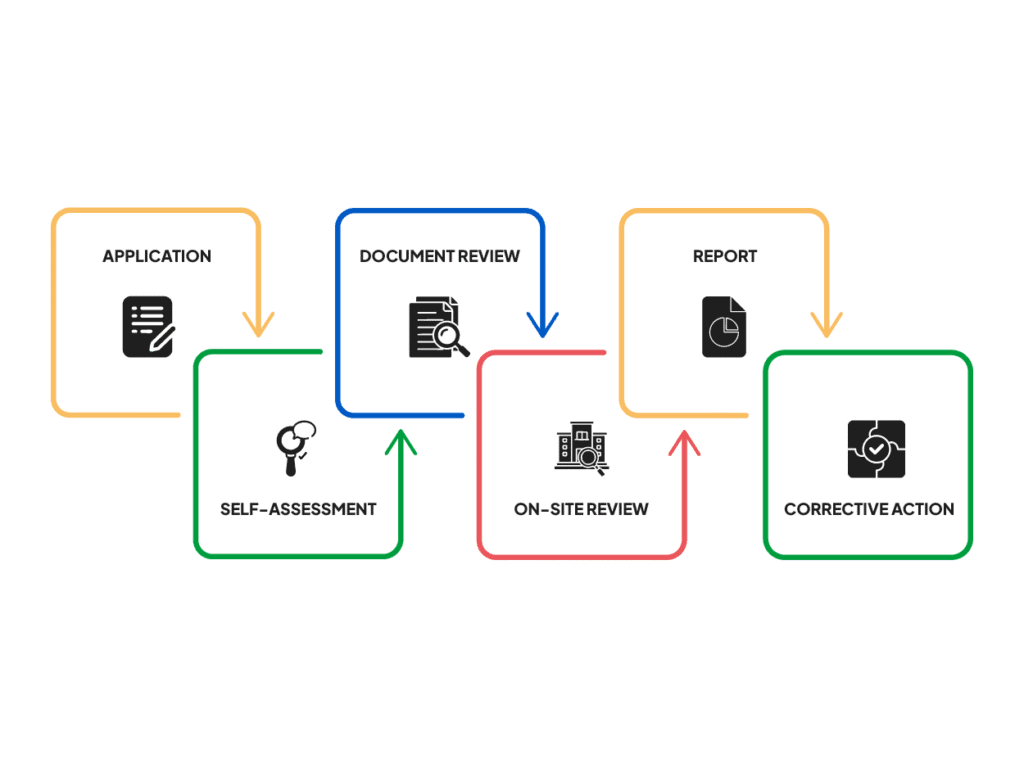
The NAAC accreditation process is a rigorous and comprehensive evaluation designed to assess the quality of educational institutions. This process ensures that institutions meet the high standards set by NAAC, providing students with a quality education.
Eligibility Criteria for Accreditation
Before an institution can be considered for NAAC accreditation, it must meet specific eligibility criteria. These criteria serve as a preliminary filter, ensuring that only institutions committed to quality education undergo the accreditation process. Typically, institutions must have been in existence for a minimum of six years and should have graduated at least two batches of students. This ensures that the institution has a track record of educational delivery and operational stability.
Self-Study Report (SSR) Preparation
The self-study report (SSR) is a critical component of the accreditation process. This comprehensive document details the institution’s functioning, achievements, strengths, and areas for improvement. Preparing the SSR is an introspective exercise, requiring institutions to evaluate their performance critically. The SSR serves as the foundation for the subsequent evaluation by NAAC, making its accuracy and depth crucial for a successful accreditation outcome.
Peer Team Visit and Evaluation
Once the SSR is submitted, NAAC organizes a visit by a peer team comprising experts from various fields. These experts assess the institution firsthand, verifying the information provided in the SSR. The peer team interacts with faculty, students, and administrative staff, gaining a holistic understanding of the institution’s operations. Their observations and insights form a significant part of the final evaluation, influencing the accreditation decision.
NAAC Grading system Decision
Based on the SSR and the peer team’s report, NAAC awards a grade to the institution. This grade reflects the overall quality and performance of the institution, with higher grades indicating superior educational standards. The accreditation decision is a culmination of a thorough and unbiased evaluation, providing stakeholders with a clear indication of the institution’s quality.
Post-Accreditation Quality Enhancement
Accreditation is not the end of the journey; it is the beginning of continuous quality enhancement. NAAC encourages institutions to implement the recommendations provided during the accreditation process, driving further improvements. This focus on continuous enhancement ensures that institutions remain dynamic and responsive to the changing educational landscape.
Importance of NAAC Accreditation
NAAC accreditation is of paramount importance for both educational institutions and students. It serves as a benchmark of quality and excellence, influencing various aspects of the educational journey.
Assurance of Quality Education
For students, NAAC accreditation is a guarantee of quality education. It signifies that the institution meets high educational standards, providing students with a robust learning experience. NAAC evaluates numerous factors, including curriculum design, teaching methodologies, faculty qualifications, and infrastructural facilities, ensuring a comprehensive assessment of quality.
Institutional Prestige and Recognition
Institutions with NAAC accreditation often enjoy enhanced prestige and recognition within the academic community. Accreditation acts as a mark of quality, attracting talented students, skilled faculty, and potential funding opportunities. This recognition extends beyond national borders, with international institutions and employers acknowledging the value of NAAC-accredited institutions.
Facilitating Academic and Career Mobility
NAAC accreditation plays a crucial role in facilitating student mobility, both academically and professionally. Accredited institutions are recognized by other educational bodies and employers, enabling students to pursue further studies or employment opportunities with ease. This mobility is particularly significant in an increasingly globalized world, where cross-border educational and career opportunities are abundant.
Encouragement of Research and Innovation
NAAC’s emphasis on research and innovation fosters a conducive environment for academic exploration. Accredited institutions are encouraged to invest in research activities, contributing to the advancement of knowledge and technology. This focus on research aligns with global educational trends, where innovation is a key driver of progress and development.
Access to Government Funding and Support
Government agencies often consider NAAC accreditation when allocating funds and grants to educational institutions. Accredited institutions are more likely to receive financial support, enabling them to enhance their infrastructure, academic offerings, and research capabilities. This financial backing is crucial for institutions striving to maintain and improve their educational standards.
NAAC’s Role in Educational Reforms
NAAC plays a transformative role in driving educational reforms in India. By setting benchmarks and providing constructive feedback, NAAC encourages institutions to adopt best practices and align with global standards. This continuous improvement process leads to enhanced educational outcomes, preparing students for the challenges of the modern world.
Benchmarking and Standardization
NAAC’s role in benchmarking and standardization is pivotal in maintaining uniform quality across educational institutions. By setting clear standards and criteria, NAAC ensures that institutions adhere to best practices, fostering a culture of excellence. This benchmarking process is essential in a diverse educational landscape, promoting consistency and quality across the board.
Integration of Digital Education
Recognizing the growing importance of digital education, NAAC encourages institutions to integrate technology into their teaching and learning processes. The use of digital University Management Software is promoted, ensuring that students are equipped with the skills needed to thrive in a digital world. This focus on digital education is particularly relevant in today’s technology-driven society, where digital literacy is a crucial competency.
Promoting Inclusivity and Diversity
Inclusivity is a core aspect of NAAC’s educational reform agenda. NAAC emphasizes the importance of creating an inclusive environment that caters to students from diverse backgrounds. By promoting inclusivity and diversity, NAAC helps institutions produce well-rounded graduates who can contribute positively to society. This focus on diversity is crucial in fostering a harmonious and equitable educational environment.
Encouraging Global Best Practices
NAAC’s alignment with global best practices ensures that Indian institutions remain competitive on the international stage. By encouraging institutions to adopt innovative teaching methodologies and research practices, NAAC facilitates a culture of excellence and global competitiveness. This focus on best practices is essential in preparing students for the challenges of an interconnected world.
Facilitating Policy and Curriculum Reforms
NAAC plays a consultative role in policy and curriculum reforms, guiding institutions on implementing effective changes. By providing insights and recommendations, NAAC helps institutions align their policies and curricula with current educational trends and industry needs. This facilitation of reforms is crucial in ensuring that education remains relevant and responsive to societal and economic changes.
Conclusion
In conclusion, NAAC plays an indispensable role in ensuring quality and excellence in higher education. Its accreditation process not only assesses institutions but also encourages them to strive for continuous improvement. For students, NAAC accreditation serves as a guarantee of quality education, enhancing their prospects both academically and professionally. As the educational landscape continues to evolve, NAAC’s role in driving reforms and promoting quality will remain indispensable.
Understanding the importance of NAAC in higher education can help students make informed decisions about their education and institutions to enhance their offerings. As NAAC continues to evolve, it will undoubtedly play a crucial role in shaping the future of higher education in India. With a focus on quality, innovation, and inclusivity, NAAC ensures that Indian institutions remain competitive and relevant in the global educational arena.
Book a Demo Now and explore our features that empower institutions to achieve excellence effortlessly!
Frequently Asked Questions
What is NAAC and why is it important in higher education?
The National Assessment and Accreditation Council (NAAC) is an autonomous body established by the University Grants Commission (UGC) to assess and accredit higher education institutions in India. It ensures that colleges and universities maintain high academic standards, adopt innovative teaching methods, and deliver quality education. NAAC accreditation serves as a mark of credibility and excellence for institutions.
What are the benefits of NAAC accreditation for colleges and universities?
NAAC accreditation enhances an institution’s reputation, eligibility for government funding, and ability to attract talented faculty and students. It also promotes internal quality assurance, helps institutions identify improvement areas, and strengthens institutional governance. Accredited institutions are often preferred in national rankings and academic collaborations.
How does NAAC accreditation benefit students?
For students, NAAC accreditation guarantees a high-quality learning experience, exposure to research-driven teaching, and access to modern infrastructure. Degrees from NAAC-accredited institutions are more respected by employers and universities worldwide, helping students in placements, higher studies, and scholarship eligibility.
What are the seven criteria used by NAAC for assessment?
NAAC evaluates institutions based on seven key criteria:
Curricular Aspects
Teaching-Learning and Evaluation
Research, Innovations & Extension
Infrastructure and Learning Resources
Student Support and Progression
Governance, Leadership & Management
Institutional Values and Best Practices
Each criterion ensures a 360-degree evaluation of academic and administrative quality.
What is the grading system used by NAAC?
NAAC uses a Cumulative Grade Point Average (CGPA) system to assign grades:
A++ (3.51–4.00)
A+ (3.26–3.50)
A (3.01–3.25)
B++ (2.76–3.00)
B+ (2.51–2.75)
B (2.01–2.50)
C (1.51–2.00)
D (≤1.50 – Not Accredited)
Higher grades reflect superior institutional performance and quality outcomes.
How long is NAAC accreditation valid?
NAAC accreditation is valid for five years. Institutions must undergo reaccreditation before the expiry period to maintain their status. This ensures that institutions remain committed to continuous quality improvement and accountability.
What is the difference between NAAC and NBA accreditation?
NAAC (National Assessment and Accreditation Council) accredits entire institutions (universities, colleges).
NBA (National Board of Accreditation) accredits specific programs like engineering, management, or pharmacy.
Both aim to improve quality but differ in their scope and focus.